
What safety features should an assisted living community have?
A safe assisted living community combines building design, emergency planning, trained staff, and daily routines that reduce preventable harm. The goal is not to eliminate every risk, but to help residents remain as independent as possible while receiving timely assistance when needed.
In Pennsylvania, assisted living residences are required to meet standards involving fire safety, staff education, health care support, physical conditions, emergency preparedness, and resident well-being. Families should still look beyond the presence of required equipment. The quality of a safety program often depends on how consistently features are maintained and how well staff use them.
How do communities reduce falls?
Fall prevention usually begins with the physical layout. Helpful features may include:
- Bright, even lighting in hallways, bathrooms, stairwells, and entrances
- Handrails on both sides of frequently used hallways
- Non-slip flooring and securely fastened rugs
- Clear walking paths without loose cords, clutter, or unstable furniture
- Grab bars near toilets and bathing areas
- Seats or benches where residents can pause
- Doors and elevators that are easy to identify and use
- Accessible outdoor paths with level transitions
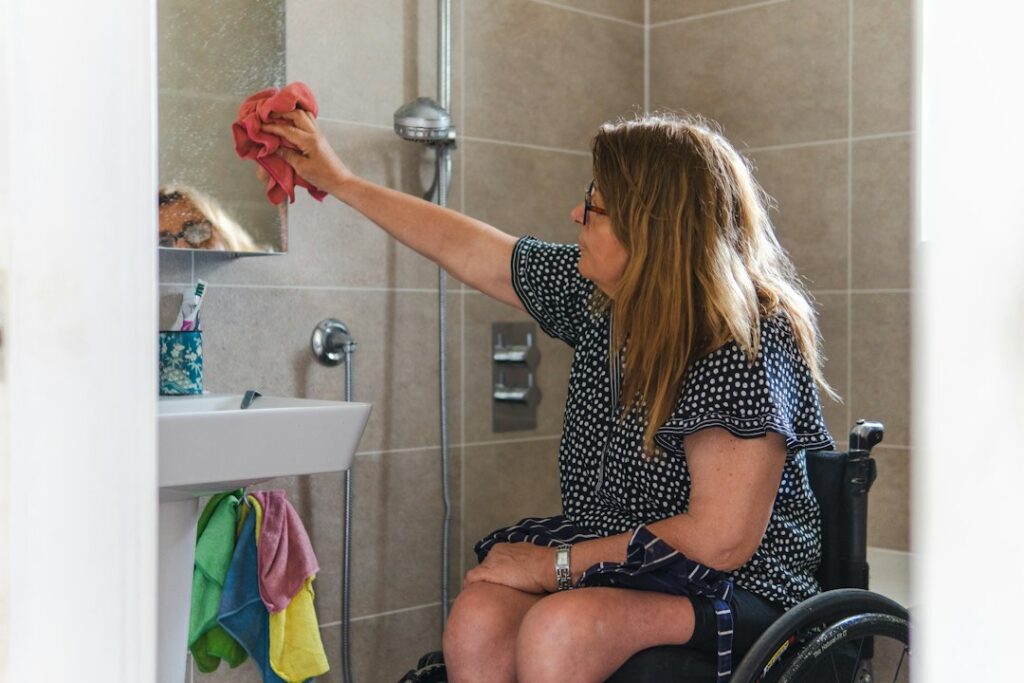
Bathrooms deserve close attention because wet floors, limited space, and transfers create several risks at once. A well-designed bathroom may include a roll-in or low-threshold shower, a handheld showerhead, stable seating, and enough room for assistance when needed.
Fall prevention should also include regular review of a resident’s footwear, vision, medications, mobility changes, and use of walkers or canes. A residence may have excellent flooring and still have preventable falls if changes in balance or strength are not recognized promptly.
What fire and evacuation protections are required?
Fire safety is one of the most important features to examine. Assisted living residences generally use smoke detectors, fire alarms, emergency lighting, fire extinguishers, sprinkler systems where required, clearly marked exits, and written evacuation procedures.
Pennsylvania rules also require regular fire drills, including drills during sleeping hours at set intervals. Drills are meant to test more than whether an alarm sounds. They help determine whether residents can reach a safe area within the expected time, whether alternate exits are usable, and whether staff understand their assignments.
Families can ask:
- How are residents who need help walking or transferring evacuated?
- Are evacuation routes accessible from each apartment or room?
- Where do residents go during a drill or actual emergency?
- How are medications, mobility devices, and essential records handled?
- How are families notified if the building must be evacuated?
A community should be able to explain its process in plain language. Vague answers about “following the emergency plan” do not reveal whether the plan accounts for residents with memory loss, hearing impairment, limited mobility, or oxygen needs.
How are medical emergencies and calls for help handled?
Emergency call systems may include pull cords, wall buttons, wearable pendants, two-way communication devices, or other alert technology. The important question is whether residents can reach help from the bed, bathroom, floor, and other areas where a fall might occur.
Ask how alerts are received, who responds, and what happens if a call is not answered immediately. Some systems report the location of an alert to staff, while others depend on a resident speaking through an intercom. Residents with hearing, speech, or cognitive limitations may need a different approach.
A strong safety program also includes procedures for recognizing changes in health, documenting incidents, contacting emergency services, and informing designated family members. Assisted living staff may provide or arrange certain supportive health services, but assisted living is not the same as a hospital or a skilled nursing setting. The residence should clearly explain which needs it can safely meet.
What protections help residents with dementia or memory loss?
Residents with cognitive impairment may need additional safeguards, but safety measures should respect dignity and personal choice. Features can include secured outdoor areas, door alarms, visual cues, simplified layouts, familiar room markers, and staff training in redirection and communication.
A secured area should not be treated as a substitute for supervision. Families should ask how staff respond when a resident tries to leave, becomes disoriented, or experiences agitation. They should also ask whether restrictions are individualized and reviewed as needs change.
Common areas should make it easier to find dining rooms, bathrooms, activity spaces, and personal rooms. Contrasting colors, large-print signs, good lighting, and reduced background noise can support orientation without making the setting feel institutional.

How does staff coverage affect safety?
Equipment cannot replace attentive staffing. Families should learn how staff coverage changes during evenings, overnight hours, weekends, meals, and shift changes.
Useful questions include:
- Who is present overnight?
- How are call responses tracked?
- Are staff trained in first aid, emergency procedures, fall response, and dementia support?
- What happens when several residents need help at the same time?
- How are new staff oriented to the building and its emergency procedures?
- Is there a process for reviewing repeated falls, medication errors, or missed care?
The number of employees matters, but so does their familiarity with residents. Staff should know who needs help transferring, who is at risk of wandering, who has swallowing concerns, and who may not be able to describe symptoms accurately.
How are medications, meals, and infection risks managed?
Medication safety may involve locked storage, written administration records, pharmacy coordination, allergy documentation, and procedures for missed or refused doses. Residents and families should understand who administers medications and how changes are communicated.
Dining safety includes attention to allergies, diabetes, swallowing difficulties, hydration, food temperature, and the ability to eat independently. A resident who regularly leaves meals untouched may be experiencing illness, depression, dental pain, or difficulty using utensils. Staff should have a process for noticing and responding to those changes.
Infection prevention includes handwashing supplies, cleaning schedules, appropriate food handling, laundry procedures, and plans for respiratory or gastrointestinal illness. During periods of extreme heat, winter storms, or power interruptions, hydration, indoor temperature, backup power, and transportation plans become especially relevant for households in Reading.
What outdoor and seasonal safety features matter locally?
Outdoor safety should include well-maintained sidewalks, secure railings, adequate lighting, benches, accessible entrances, and clear snow and ice removal procedures. Slippery conditions can develop quickly after freezing rain or a thaw-and-refreeze cycle.
In warmer months, residents may be vulnerable to dehydration and heat-related illness, particularly those taking medications that affect fluid balance or temperature regulation. Communities should have cool indoor areas, access to fluids, monitoring procedures, and plans for outdoor activities during heat advisories.
Severe weather planning should address power outages, heavy snow, flooding, high winds, and extended interruptions to transportation or utilities. Ask whether emergency supplies are stored onsite and how residents who rely on powered medical equipment would be supported.
How can a family evaluate safety during a visit?
A visit can reveal details that brochures usually do not. Notice whether hallways are clear, floors are dry, exits are visible, alarms appear maintained, and staff respond when residents request assistance.
Observe how employees speak with residents. Respectful communication, prompt acknowledgment, and calm responses are safety indicators because residents are more likely to report pain, confusion, falls, or concerns when they feel heard.
Also ask to review the residence’s license status, complaint process, emergency procedures, and rules for reporting incidents. Residents have the right to understand how concerns can be raised without retaliation. Safety is strongest when residents, families, and staff can identify problems early and address them openly.
