
Assisted living amenities should make everyday life safer, more comfortable, and easier to manage. The most useful features are not always the most impressive-looking ones; they are the services and spaces that support mobility, personal routines, social connection, meals, health needs, and peace of mind.
For residents and families in Reading, practical details matter. Seasonal weather, transportation needs, home maintenance concerns, and the distance between households can all affect which amenities provide real value.
Which amenities matter most in assisted living?
The most important amenities are those that support daily independence while providing help when needs change. A well-designed community should offer more than attractive common areas.
Look for:
- Accessible apartments and bathrooms
- Reliable dining and hydration support
- Medication assistance and health monitoring
- Housekeeping and laundry services
- Transportation for appointments and errands
- Social, recreational, and wellness activities
- Emergency response systems
- Safe outdoor and indoor walking areas
- Flexible support as care needs develop
Amenities should be evaluated based on how often they are used and whether they solve a specific concern. For example, an activity room may be useful, but a bathroom with adequate turning space, grab bars, and an emergency response system may have a greater effect on daily safety.
What apartment features improve comfort and safety?
Private living spaces should be easy to navigate, maintain, and personalize. A comfortable apartment can help residents retain familiar routines while reducing household tasks that have become difficult.
Important features include:
- Step-free or low-threshold entrances
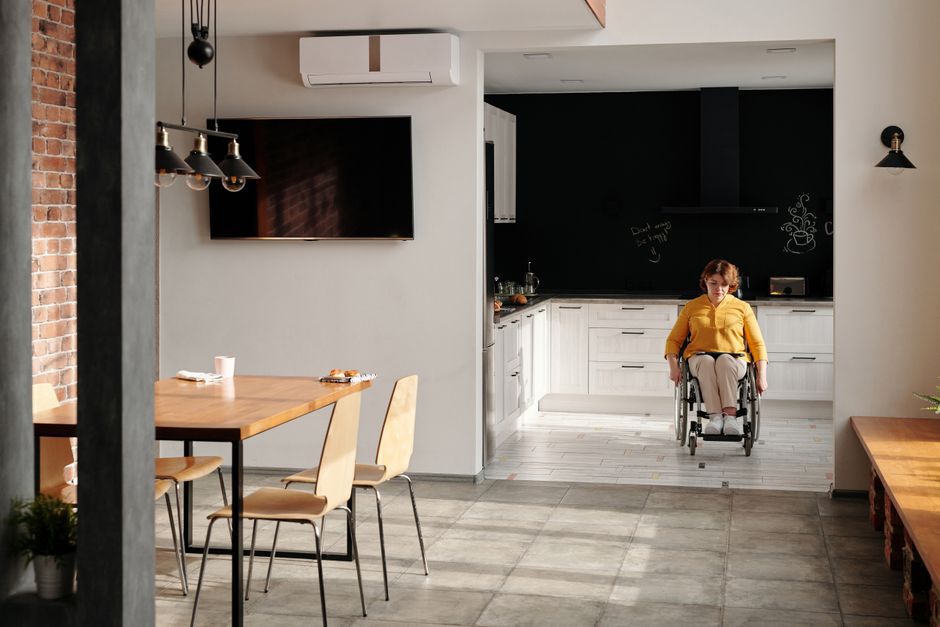
- Wide doorways for walkers or wheelchairs
- Adequate lighting, especially near beds and bathrooms
- Non-slip flooring without loose rugs
- Accessible switches and climate controls
- A private or shared bathroom designed for safe movement
- Emergency call buttons or wearable response devices
- Space for familiar furniture, photographs, and personal belongings
Ask whether residents can control room temperature and lighting independently. In Reading’s colder months, dependable heating and simple thermostat controls are especially useful. During warmer weather, families should ask how apartments and common spaces are cooled and how staff respond during periods of high heat.
It is also worth checking whether windows open safely, whether there is natural light, and whether hallways are easy to understand. Clear layouts can reduce confusion and make it easier for residents to move around without constant assistance.
What dining amenities should families evaluate?
Dining is both a daily necessity and an important part of community life. A suitable dining program should provide nutritious meals, reasonable flexibility, and support for changing dietary needs.
Ask these questions:
- Are meals served at set times, or is there some flexibility?
- Can residents choose between more than one entrée?
- Are snacks and beverages available between meals?
- Can the kitchen accommodate allergies, diabetes, swallowing concerns, or other dietary restrictions?
- Are dining areas quiet enough for residents with hearing or sensory challenges?
- Can meals be delivered to an apartment during illness or recovery?
- Is assistance available for opening containers, cutting food, or managing utensils?
Menus should be reviewed for variety, portion sizes, and familiar foods. Families may also want to observe a dining period rather than relying only on a written menu. The pace of service, noise level, seating arrangements, and staff attentiveness can reveal how well the dining experience works in practice.
How do housekeeping and maintenance services affect daily life?
Housekeeping, laundry, and maintenance services are practical amenities that can reduce falls, stress, and physical strain. They also allow residents to spend more time on activities they enjoy.
A clear service schedule should explain:
- How often apartments are cleaned
- Whether linens and towels are changed
- How personal laundry is labeled and returned
- Who handles minor maintenance concerns
- Whether residents can request extra cleaning after an illness or accident
- Which personal tasks remain the resident’s responsibility
These services are particularly helpful for people who have difficulty bending, lifting, carrying laundry, or using cleaning products safely. Families should ask whether housekeeping is included in the regular fee or charged separately, but the quality and consistency of the service matter as much as the price.
What transportation amenities are useful?
Transportation can have a major effect on independence. A dependable transportation program may help residents attend medical appointments, shop for personal items, visit family, and participate in community activities.
Questions to ask include:
- How far does transportation cover?
- Is advance scheduling required?
- Are rides available evenings or on weekends?
- Can the vehicle accommodate walkers and wheelchairs?
- Does transportation include medical appointments?
- Are there limits on the number of trips each month?
- What happens if a scheduled ride is delayed?
Transportation is especially relevant for households that no longer want to manage frequent driving or winter travel. Reading-area weather can include snow, ice, and freezing conditions, so families should ask how transportation operates during difficult weather and how appointments are handled when roads are unsafe.
Which health and emergency amenities should be available?
Assisted living is not the same as a nursing facility, so the level of medical support can vary. Families should understand exactly what health-related amenities are available and what happens if a resident’s needs increase.
Useful features may include:
- Medication reminders or medication administration
- Regular wellness checks
- On-site staff available around the clock
- Emergency call systems in apartments and bathrooms
- Assistance with bathing, dressing, and grooming
- Coordination with outside medical providers
- Support after a minor illness or hospital stay
- A documented response process for falls or urgent symptoms
Ask how quickly staff respond to an emergency call and whether response times are tracked. It is also important to learn whether staff are trained to recognize changes in memory, balance, appetite, mood, or mobility.
A common misconception is that an emergency pendant alone provides complete protection. The device is useful only if it is worn, tested, answered promptly, and supported by a clear emergency procedure.
What social and wellness amenities support quality of life?
Social amenities should offer choice rather than pressure. Some residents enjoy group activities, while others prefer quiet hobbies, exercise, reading, music, or small gatherings.
Look for a balanced schedule that may include:
- Gentle exercise and stretching
- Walking groups or indoor walking routes
- Games, crafts, and educational programs
- Music, worship, or cultural activities
- Gardening or outdoor seating
- Libraries, lounges, and private visiting areas
- Opportunities for family visits
- Quiet spaces for rest and reflection
Outdoor areas should be level, well-lit, and furnished with stable seating. Indoor walking routes can be valuable during winter weather or rainy periods. The most useful wellness program is one that accommodates different abilities rather than assuming every resident has the same interests or energy level.
How should families compare amenities?
A tour should include more than a look at the lobby. Families should consider whether amenities are accessible, consistently available, and suited to the resident’s current and likely future needs.
During a visit, observe:
- Whether hallways are clear and well-lit
- Whether staff greet residents and respond to requests
- Whether common areas feel active without being overwhelming
- Whether dining spaces appear clean and comfortable
- Whether residents can move outdoors safely
- Whether activity schedules reflect actual participation
- Whether bathrooms include practical safety features
- Whether residents seem able to make ordinary choices
Ask for a written explanation of included services, optional charges, staffing arrangements, transportation policies, and procedures for changing care needs. An amenity has limited value if it is difficult to access, available only occasionally, or accompanied by unexpected restrictions.
The right choice is usually the setting whose everyday details fit the resident’s habits, abilities, preferences, and likely changes over time. Practical safety, dependable support, and opportunities for meaningful daily activity should carry more weight than decorative features.
