
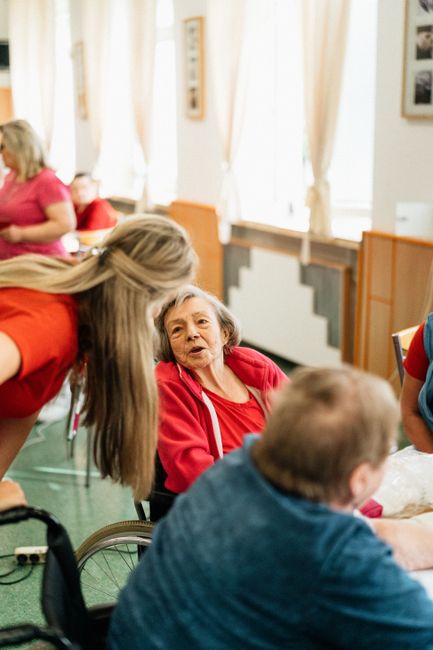
Choosing assisted living is not only about the building, the room, or the activity calendar. Quality care is easier to recognize by observing how residents are treated throughout an ordinary day: whether staff respond promptly, routines are respected, meals are handled safely, and residents remain involved in decisions about their lives.
For families in Reading, PA, a careful visit should focus on everyday care practices rather than polished tours or broad promises. The most useful questions often concern staffing, communication, safety, personal dignity, and how the community responds when a resident’s needs change.
What does quality assisted living care look like?
Quality assisted living combines dependable support with as much independence as a resident can safely maintain. Staff assist with daily needs without treating every resident as if they require the same routine.
Signs of good care may include:
- Staff address residents by name and speak directly to them.
- Residents appear clean, comfortable, and appropriately dressed.
- Assistance is offered discreetly, especially with bathing, toileting, dressing, and medication routines.
- Residents have choices about meals, activities, clothing, sleep schedules, and time spent alone.
- Staff notice changes in mood, appetite, mobility, or health and communicate those changes promptly.
- The atmosphere feels organized without being rushed or overly restrictive.
A pleasant lobby does not prove that care is consistent. Pay attention to hallways, dining areas, bathrooms, and resident rooms, where daily practices are easier to observe.
How can staffing reveal the quality of care?
Staffing patterns are one of the clearest indicators of resident experience. A community may have caring employees, but frequent understaffing can lead to delayed assistance, rushed meals, missed activities, or limited time for conversation.
During a visit, ask:
- How many staff members are typically working during mornings, evenings, overnight hours, and weekends?
- What happens when someone calls off?
- Are temporary or agency workers used often?
- How long have key staff members worked there?
- Who helps residents during meals, showers, transfers, and medication times?
- How are new employees trained before working independently?
Listen for specific answers rather than general statements about being “fully staffed.” A quality operation should be able to explain how coverage is maintained during busy periods and how staff learn each resident’s needs.
Observe whether employees seem familiar with residents’ preferences. A caregiver who knows that a resident needs extra time to stand, prefers a quieter table, or becomes anxious during schedule changes is demonstrating person-centered care.
What should families observe during a visit?
The best time to visit may be during a normal meal, shift change, or evening routine rather than only during a formal tour. Ordinary moments can reveal whether residents receive timely and respectful support.
Look for:
- Residents who are seated safely and comfortably.
- Food and beverages placed within reach.
- Call systems that appear accessible and answered without unreasonable delay.
- Clear walking paths and adequate lighting.
- Staff knocking before entering rooms.
- Clean common areas without strong odors or excessive clutter.
- Residents participating in activities by choice, not being moved through a schedule without explanation.
- A calm response when a resident is confused, upset, or moving slowly.
A quiet building is not automatically a well-run building. Some residents may be resting, while others may lack meaningful engagement. Ask how activities are adapted for people with hearing loss, vision changes, dementia, limited mobility, or different interests.
How are dignity and independence protected?
Good assisted living care does not measure success by how quickly tasks are completed. It considers whether residents retain control over appropriate parts of their daily lives.
Dignity can be seen in small details. Staff may offer privacy during personal care, explain what they are doing, and allow a resident time to answer. They may provide clothing choices, support preferred grooming habits, and avoid discussing personal information in public areas.
Independence may involve:
- Walking with a mobility aid instead of being routinely transported.
- Choosing whether to attend an activity.
- Helping with simple tasks such as folding clothing or setting a table.
- Keeping familiar belongings nearby.
- Maintaining personal routines when those routines remain safe.
Families should ask how the community balances safety with autonomy. A rule that applies to everyone may be convenient for staff but inappropriate for an individual resident. Quality care involves individualized risk discussions rather than unnecessary restrictions.
How are medications, meals, and health changes handled?
Medication management, nutrition, and changes in health require reliable systems. Families should ask who administers medications, how missed or refused doses are handled, and how concerns are communicated to the resident’s designated contacts.
Meal quality involves more than whether food looks appealing. Ask whether residents can report preferences, allergies, swallowing concerns, and changes in appetite. A resident who is losing weight, coughing during meals, or avoiding certain foods may need additional assessment and support.
Also ask what happens after:
- A fall or near-fall.
- A sudden change in confusion or alertness.
- Repeated refusal of meals or medication.
- A noticeable decline in walking ability.
- A hospital stay or return from rehabilitation.
- A change in the resident’s ability to manage personal care.
Strong care systems include clear documentation, prompt communication, and reassessment. Families should understand who is notified, how quickly updates are made, and whether the care plan changes when needs change.
What does good communication with families look like?
Families should not have to guess whether a resident is doing well. Clear communication includes routine updates as well as timely notice about falls, injuries, illness, medication concerns, behavior changes, or reduced participation.
Ask how family members can reach the appropriate staff member and how concerns are recorded. It is also useful to learn whether care-plan meetings occur regularly and whether residents and families can participate.
Good communication is two-way. Staff should listen to information about a resident’s history, habits, fears, relationships, and preferences. A family may know that a resident becomes unsettled after poor sleep, prefers certain foods, or communicates discomfort indirectly. That information can help staff provide more effective care.
How do seasonal conditions affect care in Reading?
Seasonal weather can create practical challenges for older adults. Cold conditions, icy walkways, heating problems, and shorter daylight hours can affect mobility and activity. Warm, humid periods can increase the risk of dehydration, fatigue, and overheating.
Ask how the community handles severe weather, power interruptions, indoor temperature concerns, and transportation limitations. Families may also want to know how outdoor activities are adjusted during unsafe conditions and how residents remain socially engaged when going outside is difficult.
A prepared community should have clear emergency procedures and should be able to explain how residents’ medications, mobility needs, dietary needs, and communication requirements are managed during disruptions.
What questions help identify warning signs?
Several warning signs deserve closer attention:
- Staff cannot explain who is responsible for a resident’s care.
- Different employees give conflicting answers about basic routines.
- Residents frequently wait for assistance with no explanation.
- Family members learn about significant incidents indirectly.
- Care plans appear generic or are not updated after changes.
- Residents seem fearful, ignored, overly sedated, or consistently isolated.
- The community discourages unannounced visits or avoids specific questions.
- Complaints are treated as personal criticism rather than opportunities to improve care.
One concerning detail does not always tell the whole story. The key is whether staff acknowledge problems, explain what happened, and describe concrete steps to prevent a repeat.
Quality assisted living is reflected in consistent daily behavior: respectful communication, attentive supervision, safe routines, meaningful choices, and honest updates. Families evaluating care should compare what they are told with what they observe, ask the same practical questions more than once, and consider whether the setting would support the resident’s needs as those needs develop.
